Honoring Our Grief Series
How to Move with Grief in Our School Systems
September 20, October 11, November 1, 2023
3:00 p.m. – 4:30 p.m. PT // 5:00 p.m. – 6:30 p.m. CT // 6:00 p.m. – 7:30 p.m. ET
This event has passed and registration is closed.
How are we making space for students to process and heal from the emotional toll of grief in their lives, and how are we attending to ourselves and own grief?
Join us for a three-part series in which we engage in developing grief literacy, holding our own grief as educators, and strategizing how to build classroom/school structures to hold grief with students. Each session is a stand-alone workshop, so come to what you can!
Our “Honoring Grief” series is back- if you came last year, come again for deeper learning! If you’re a first timer, welcome. This edition of the series focuses on boosting our collective fluency when talking about grief to consider the current literature and conversations on the topic alongside our lived experiences. We seek to honor and validate our own losses while also holding the people around us – a burden many educators have not been empowered to do.
Each hour-long conversation will be collaboratively led – with the focus being dialogue and a sense of mutually equipping each other to learn. There will be an optional 30-minute connection and reflection circle after each collaboration time.
Learning Goals
- Curate a shared language around grief literacy by examining the commonly referenced types of grief and exploring newer literature and research.
- Reflect together on our experience with grief and design approaches to support ourselves in honoring our grief.
- Revisit classroom rituals and rhythms to support holding students and their grief in classrooms and build a list of strategies and resources for other educators/school staff.
Resources (priming resources for participants)
- Review past Honoring Grief content (optional)
- Holding circles in schools after loss: Honest Reflections from an Educator about Holding Circles after Loss – an SCRR Voices from the Field Blog by Oriana Ides
- Up at 3 am: Educator thoughts in the middle of night after Buffalo and Uvalde – an SCRR Voices from the Field Blog by Bri Young
- Learning through Loss: Utilizing the Power of Freewriting as a Crisis Recovery Tool for Educators – an SCRR Voices from the Field Blog by Brittany Collins
- 5 Things I wish my teachers knew when I lost my dad – an SCRR Voices from the Field Blog by Yesmina Luchsinger
Intended Audience
Educators and school staff navigating grief in their systems
Frequently Asked Questions
- Is this program eligible for Continuing Education Hours (CEH)? No.
- Will this offering be recorded? No.
- Do I need to attend all sessions? No! Come to what you are able.
- Who can I contact if I have additional questions? Email us at scrr [at] cars-rp.org with “Honoring Grief” in the subject line.
Faculty
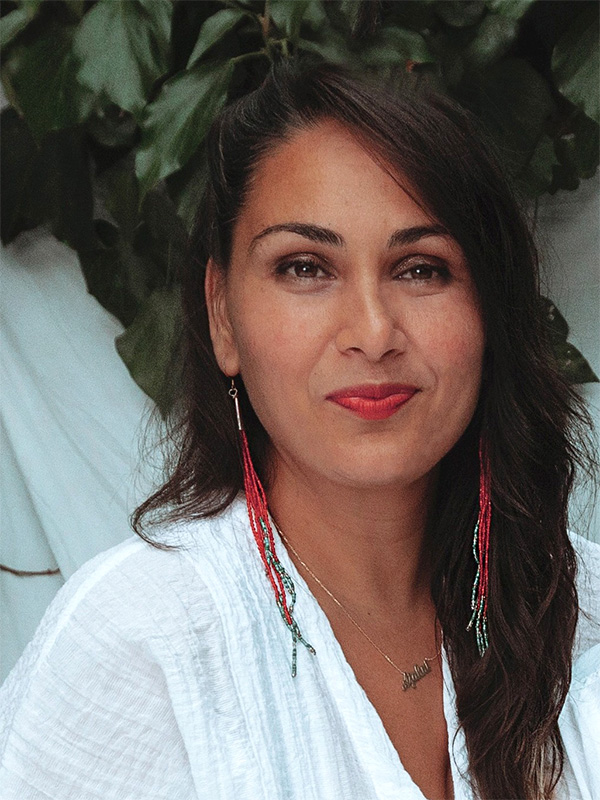
Oriana Ides (she/hers), MA, LPCCI, PPS, is an SCRR Field Coach who approaches healing the wounds of trauma and oppression as core elements of social justice. She has worked with young people across life courses from elementary school to college, and has served as teacher-leader, school counselor, classroom educator and program director. She is committed to generating equity within school structures and policies by focusing on evidence-based mental health techniques and institutional design. Her work to forge a more just world is motivated by and dedicated to Amilca Ysabel Mouton Fuentes.

Brianna Young (she/hers), M.Ed
SCRR Field Coach with Trauma Transformed
Brianna Young is a Midwest native, currently based in the Bay Area. Her role is a Lead Trainer and Project Specialist with Trauma Transformed, and serves as a Field Coach for the School Crisis Recovery and Renewal project. Having started her professional career as a middle school teacher and instructional coach, Brianna has a particular heart for schools and all the potential they hold. She obtained her Masters of Education from Concordia University, emphasizing Trauma and Resilience in Educational Settings. Brianna dedicates this work to teachers who view their classrooms as healing spaces, and to the students who walk through those doors.
