Mourning is the Work
A Monthly Art and Ritual-Based Gathering for Educators to Practice Metabolizing our Grief
October 17, 2024 • November 21, 2024 • December 19,2024
January 16, 2025 • February 20, 2025 • March 20, 2025
3:30 p.m. – 4:30 p.m. PT/ 5:30 p.m. – 6:30 p.m. CT/ 6:30 p.m. – 7:30 p.m. ET
This event has passed.
“Grief and love are sisters, woven together from the beginning. Their kinship reminds us that there is no love that does not contain loss and no loss that is not a reminder of the love we carry for what we once held close.”
– Francis Weller
Educators – how are we making space for ourselves and our students to process and heal from the emotional toll of grief in our lives? How might we integrate rituals, practices, and structures into our daily lives and school year to ensure we have a place where our grief is seen, held tenderly and processed?
Join us this school year for our new SCRR offering, “Grief-Work Metabolizing Sessions.”
What is this?
Drop-in sessions in which we engage in ritual or art-based practices toward self and collective mourning.
How might it feel?
Six drop-in sessions (come to one, some, or all!); that are experiential. They are not classical trainings but spaces to feel and be. Utilizing Francis Weller’s Gates of Grief, we will make sacred space to inquire into how we might begin to develop a relationship with the things we cannot change as we actively engage in the process of mourning through the creation of art, ritual, and connection.
Why this, why now?
Safety, witnessing, and meaningful connection are powerful antidotes to crisis and rupture (and happen to be foundations of recovery and renewal).
Without intentionality, there is little space within our days and roles to imbibe a culture that supports our individual and collective holistic mourning of all that we have lost or might lose as a way to honor these important parts and make room for something more.
Mourning is a way to work in honor of our deep aspiration for the well-being, happiness, and safety of others.
Learning Goals
- Build a personal and collective practice that honors and integrates ritual and connection in a way to support the navigating and metabolization of grief for ourselves and our students.
- Solution-find ways to integrate ritual into existing classroom and school structures and practices.
- Explore how to create an infrastructure in which we might be able to metabolize grief and traumatic experiences so that we can dream beyond grief.
Date & Session Theme
(Themes are Aligned with Weller’s Gates of Grief)
- October 17, 2024: Grief for what has been loved and lost
- Metabolization Practice: Descansos Altar Making
- November 21, 2024: Grief for the places within ourselves that have not known love
- Metabolization Practice: Talking Circles
- December 19, 2024: Grief for the sorrows of the world
- Metabolization Practice: Windphone
- January 16, 2025: Grief for what we expected and did not receive
- Metabolization Practice: Heart Opening Embodiment Exercise
- February 20, 2025: Ancestral Grief
- Metabolization Practice: Honoring My Emotional Landscape through Art
- March 20, 2025: Anticipatory Grief
- Metabolization Practice: My Mourning Affirmations and Archetypes Card Deck Creation
- Metabolization Practice: My Mourning Affirmations and Archetypes Card Deck Creation
Intended Audience
- Anyone who tends to the wellbeing of young people in school settings (therapists/clinicians, case managers, mentors, life coaches, restorative justice coordinators, guidance counselors, social workers, etc.)
Frequently Asked Questions
- Is this program eligible for Continuing Education Hours (CEH)? No.
- Will this offering be recorded? No.
- Do I need to attend all sessions? No! Come for one, some, or all.
- Who can I contact if I have additional questions? Email us at scrr [at] cars-rp.org with “Mourning is the Work” in the subject line.
Lead Faculty

Oriana Ides, (she/her), MA, APCC, PPS
SCRR Field Coach
Oriana Ides is the School Mental Health Training Specialist at CARS, who approaches healing the wounds of trauma and oppression as core elements of social justice. She has worked with young people across life course from elementary school to college, and has served as teacher-leader, school counselor, classroom educator and program director. She is committed to generating equity within school structures and policies by focusing on evidence-based mental health techniques and institutional design. Her work to forge a more just world is motivated by and dedicated to Amilca Ysabel Mouton Fuentes.
Guest Faculty
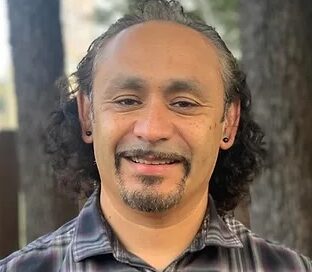
Jesus Solorio, (el/he/him), LMFT
Jesus Solorio (el, he, him) identifies as Xicano and was born and raised in Los Angeles (Tongva territory) by migrant parents from Michoacán (Purépecha territory), Jesus earned his Masters degree in Counseling Psychology with a concentration in Community Mental Health from the California Institute of Integral Studies. He is the owner of the group private practice, Ollin Marriage & Family Therapy, Inc. Prior to that he has worked in various settings as a therapist, lead clinician, supervisor and program manager. These include Instituto Familiar de La Raza, La Familia Counseling Service, the Community Mental Health Certificate Program at City College of San Francisco and Kaiser Permanente. Jesus is a member of the Council of 13 for the Institute of Chicana/o/x Psychology and teaches in the Department of Counseling at San Francisco State University.
Jesus’ work is culturally responsive, rooted in social justice, trauma-informed, strength-based, and is strongly infused by an indigenous worldview and liberation psychology.
Jesus honors and recognizes his mentors and teachers along the way beginning with his mother and older sisters whom have taught him lessons in strength, resiliency, love and humility. As a therapist, his mentors include Maestra Concha Saucedo, Dr. Sal Nuñez and Tio Samuelin Martinez whom have all shown him what it’s like to work from a place of authenticity and love while anchoring in indigenous ways. He has apprenticed with Dr. Sal Nuñez in Medicinal Drumming Praxis and has been trained in Chicanx Affimative Therapy, EMDR, and Somatics and Trauma from Generative Somatics. He is a Mexica Mitotiani and Huehuetero (Mexica Dancer and Drummer) with Calpulli Nanahuatzin.

Noor Jones-Bey, (she/hers), Ph.D
Noor Jones-Bey is a transdisciplinary educator, researcher and artist from the Bay Area, CA with over a decade of experience working within the field of education. As a scholar and practitioner deeply interested in the movement between theory and practice, Noor has extensive experience designing humanizing programming and curriculum that is responsive and relevant to the global and local communities she works within. Noor currently serves as an equity and design consultant, providing technical assistance to client serving professionals and organizations nationwide. Noor received an PhD in Urban Education from New York University, a M.A. in Sociology of Education from New York University and a B.A. in American Studies from the University of California, Berkeley. Noor’s interests engage across disciplines of sociology, education, Black and Native studies, and visual culture to examine issues of liminality, identity, space and power as they relate to education. Her dissertation work examines intergenerational knowledge of Black womxn and girls navigating in and out of schools. In her spare time, she loves to cook, dance, run marathons, travel, and stir up good vibes.
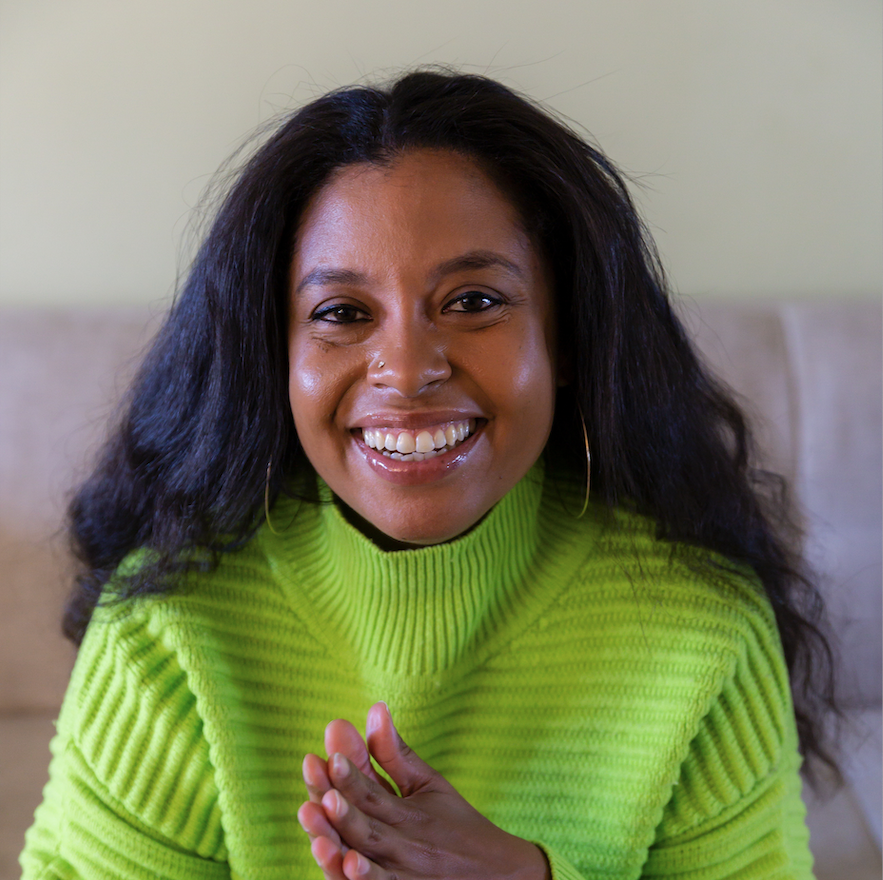
Shirley Johnson, (she/her), LMFT
Shirley Johnson is a licensed psychotherapist, energy & sound healer, budding herbalist, aspiring writer and retreat leader. She brings 13 years of teaching yoga and 15 years of studying indigenous healing technologies to her work as a clinician. As the daughter, niece, and granddaughter of public school educators, Shirley began her clinical practice with middle and high school aged students within school settings. From working within schools, she quickly identified the nuances of holding space for students, adults and herself and the ways that there seemed to be little space for emotions within working in school mental health. She brings a range of clinical experience rooted in psychodynamic and relationship theories, multiculturalism, and being a movement practitioner over the last 13 years. Shirley is passionate about supporting adults in the helping profession with releasing codependent behaviors, learning to take care of oneself, and humanizing themselves and each other. To learn more about Shirley’s work you can follow her on IG at @soulisticwellness or visit her website at www.soulisticwellness.com
