Self-Attuning and Attending to Emotional Activation
Healing our Own Wounds while Providing Care to Others
September 10, 2024 • October 8, 2024 • November 12, 2024 • December 10, 2024 • January 14, 2025 • February 11, 2025 • March 11, 2025 • April 8, 2025
3:00 p.m. – 4:30 p.m. PT/ 5:00 p.m. – 6:30 p.m. CT/ 6:00 p.m. – 7:30 p.m. ET
- How might we increase self-awareness and inquiry into the therapeutic dynamics (in our school based work or beyond) and situations that activate us?
- How might we use our lived experience to positively inform the ways we lead through and amidst crisis?
- How might we be able to support our own emotional needs and healing to better support the therapeutic needs of our colleagues and the young people we serve?
What is this?
Join us in a year-long series for school-based or connected service providers who want to engage in reflective inquiry around how the experiences we’ve lived through impact and inform our ability to provide responsive mental health services for others.
Why is this necessary for crisis work?
Our ability to provide trauma-informed care and establish healthy therapeutic relationships are greatly predicated on where we are at in our own healing journey.
Without the space, support and tools to move beyond the harms of our own lived experience, it is quite possible that we lead with our own emotional interests rather than that of the greater good. Without acknowledging, reframing and healing our own hurts, as service providers, we run the risk of internalizing the behaviors and needs of others, miss important signs, operate from a compromised parasympathetic nervous system or find ourselves stuck in a self-defeating stress response such as fight, flight, freeze, fawn or countertransference.
These heavy and pivotal knowledge require a brave space to examine, unpack and explore.
How might it feel?
It is difficult to provide support and guidance after times of crisis if we don’t have the space to notice and inquire into the ways our personal unhealed trauma surfaces when witnessing and providing care for the healing of others. Grounded attunement to the wellness of our colleagues, communities and the people we serve as they recover and renew after a crisis requires our own ability to care for ourselves.
Together with SCRR and a roster or expert clinical supervisors, explore how we might alchemize harmful accounts into emotionally corrective experiences for ourselves and our communities, promote our relational interdependence and cultivate the conditions within our school communities that allows us to be human AND boundaried.
Learning Goals for the Community of Practice
- Create a brave, generative, and regulating space for educators to explore the interconnection between lived experience and their current ability to uphold trauma informed engagement.
- Engage in community valued, trauma informed regulation strategies that positively impact the process of recovery and renewal.
- Imagine new ways of incorporating recovery and renewal activities into therapeutic intervention, classrooms and curriculum, peer and student interactions, meeting structures and personal lives.
- Identify individual and collective protective factors, community assets and stressors, significant loss, trauma and opportunities for growth
Intended Audience
- Anyone who tends to the wellbeing of young people in school settings (therapists/clinicians, case managers, mentors, life coaches, restorative justice coordinators, guidance counselors, social workers, etc.)
Session Themes
- Session One – September 10, 2024: Mind & Body Connection for Emotional Attunement Through An Integral Psychology Lens
- Framework: Integral Psychology
- Co-Facilitator: Shirley Johnson, LMFT
- Session Two – October 8, 2024: Befriending all of our Parts; Attuning and Attending to Emotional Activation through Internal Family Systems
- Framework: Internal Family Systems
- Co-Facilitator: Jen Leland, LMFT
- Session Three – November 12, 2024: Fight, Flight, Freeze or Fawn; Extending Compassion to Our Conditioned Responses
- Framework: Polyvagal Theory
- Facilitator: Oriana Ides, MA, LPCCI, PPS
- Session Four – December 10, 2024: Transformative Justice; Attuning and Attending to Strong Emotions as a Result of Harm in Our School Community
- Framework: Healing Justice
- Co-Facilitator: Ebony Sinnamon-Johnson, MA
- Session Five – January 14, 2025: When Abstinence isn’t an Option, Attuning to the Activation of our Student’s Choices
- Framework: Liberatory Harm Reduction
- Co-Facilitator: Maurice Byrd, LMFT
- Session Six – February 11, 2025: Honoring Our Boundaries While Caring for Others
- Framework: Relational Therapy
- Facilitator: Oriana Ides, MA, LPCCI, PPS
- Session Seven – March 11, 2025: Somatic Awareness and Embodied Rigor
- Framework: Somatic Therapy
- Co-Facilitator: Sue Kuyper, LCSW
- Session Eight – April 8, 2025: Naming, Reflecting and Integrating Our Experience with Self-Attuning
- Facilitator: Oriana Ides, MA, LPCCI, PPS
Frequently Asked Questions
- Is this program eligible for Continuing Education Hours (CEH)? Yes. 8 Continuing Education Hours will be available at no-cost for participation in all sessions, and are offered for LCSW, MFT, LPCC, LEP, CCAPP & RN licenses.
- Will this offering be recorded? No
- Do I need to attend all sessions? Yes, and especially if you want to receive CEHs, but, it is not required.
- Who can I contact if I have additional questions? Email us at scrr [at] cars-rp.org with “Self-Attuning” in the subject line.
Resources on Attunement (priming for participants)
From the Field Regarding Self-Attunement
- RAIN, the Practice of Radical Compassion (Brach, 2020)
- The Power Of Attunement And Why It Is Important In Your Life [2022] | Diversity for Social Impact
- The Art of Attunement (Turning Point Therapy)
- What is Attunement? – Momentous Institute
- Why Is It Important to Be Emotionally Attuned to Yourself? – Creative Minds Psychotherapy
- Waking the Tiger: Healing Trauma (Levine, 1997)
- Set Boundaries, Find Peace: A Guide to Reclaiming Yourself (Tawwab, 2021)
- https://beam.community/wellness-tools/
- Relationship, Responsibility, and Regulation: Trauma-Invested Practices for Fostering Resilient Learners (Souers & Hall, 2018)
- Peace from Anxiety: Get Grounded, Build Resilience, and Stay Connected Amidst the Chaos (Khouri, 2018)
Lead Faculty

Oriana Ides, (she/her), MA, APCC, PPS
SCRR Field Coach
Oriana Ides is the School Mental Health Training Specialist at CARS, who approaches healing the wounds of trauma and oppression as core elements of social justice. She has worked with young people across life course from elementary school to college, and has served as teacher-leader, school counselor, classroom educator and program director. She is committed to generating equity within school structures and policies by focusing on evidence-based mental health techniques and institutional design. Her work to forge a more just world is motivated by and dedicated to Amilca Ysabel Mouton Fuentes.
Guest Faculty
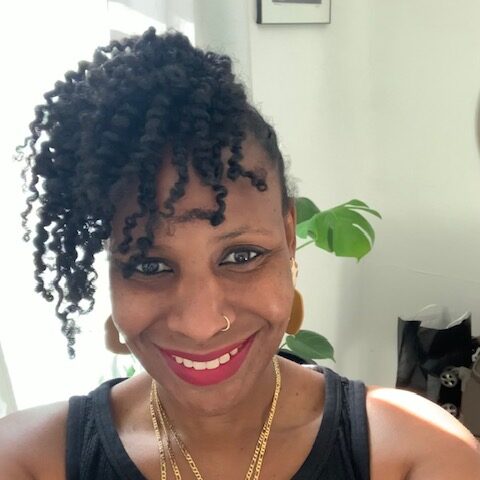
Ebony Sinnamon-Johnson, (she/her), MA
Ebony’s path is grounded in the integrity of Spirit and guided by her ancestors. Her calling is to be of service to those targeted by the brutality of oppressive systems. As a Black woman, Ebony prioritizes her advocacy, organizing, teaching, consulting, and healing guidance work to uplift Black people and Black communities. In addition to supporting marginalized people to navigate, resist, and heal from structural violence; Ebony recognizes this work is incomplete without asserting methods of accountability for abusive systems and empowerment for those harmed. Ebony has worked across a variety of institutional settings including public education, child welfare, community based mental health, and juvenile justice. Her practice has always been accompanied by efforts to partner with those most impacted and their ally’s to develop and implement protocols of systemic accountability to address issues of bias and discrimination. A hallmark of Ebony’s practice is challenging the status quo and inspiring people to initiate and create healthier ways of existing. Principles from Transformative Justice, Disability Justice, and the Black Radical tradition like self-determination, intersectionality, collective empowerment, sovereignty, and love inform her perspective and guide her approach.
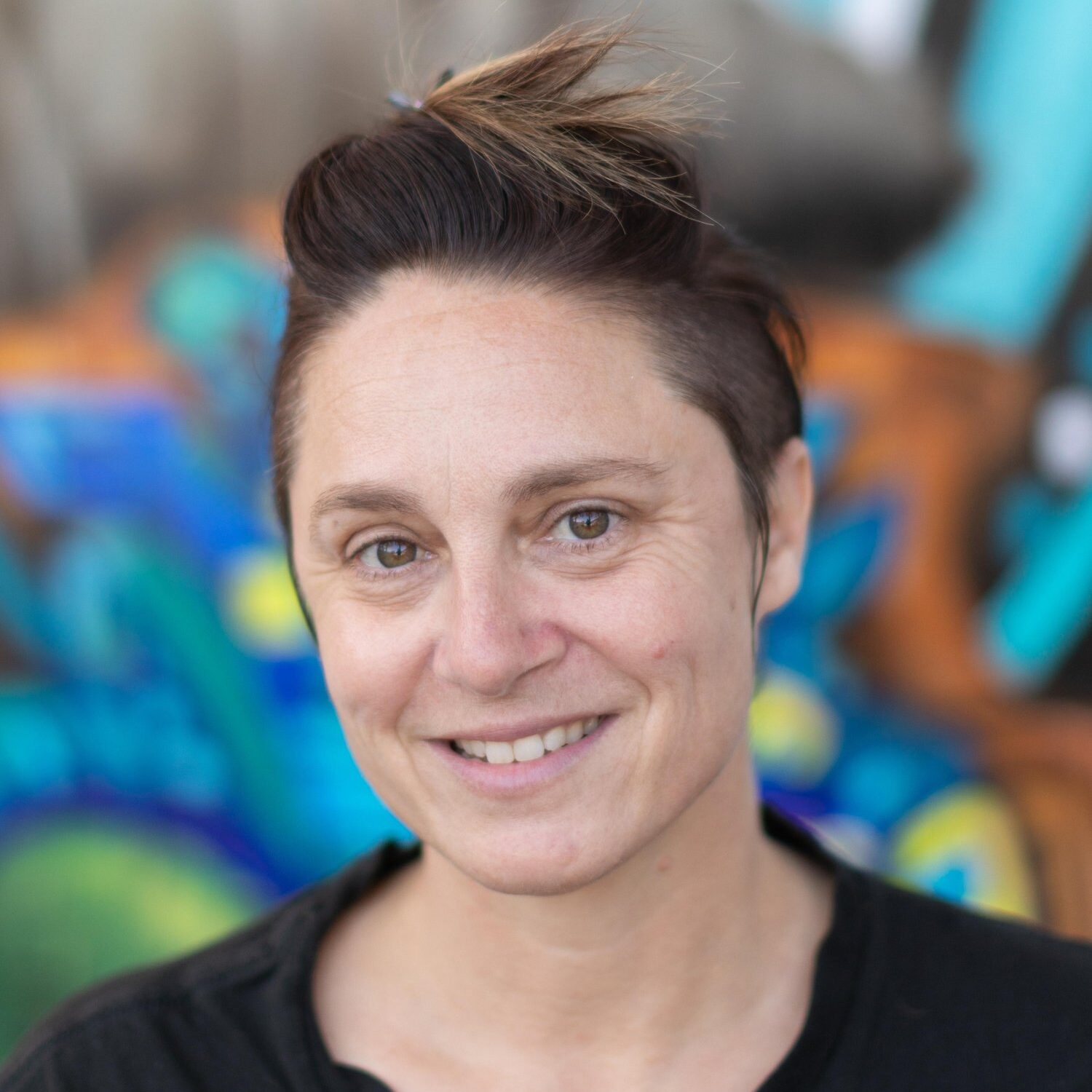
Jen Leland, (she/her), LMFT
Jen has extensive background in community mental health and education programs, including leading trauma-informed special education and residential treatment and youth justice programs and directing multiple non-profit and county public health programs.
In 2015, Jen had great honor to become founding Director of Trauma Transformed Center. Having her own lived experiences in systems and more than 15 years in the public health field, she is humbled and driven by the vision that school communities can recover from crisis, structural and collective trauma in ways that lead to even more healing, loving, and just school communities for all students.
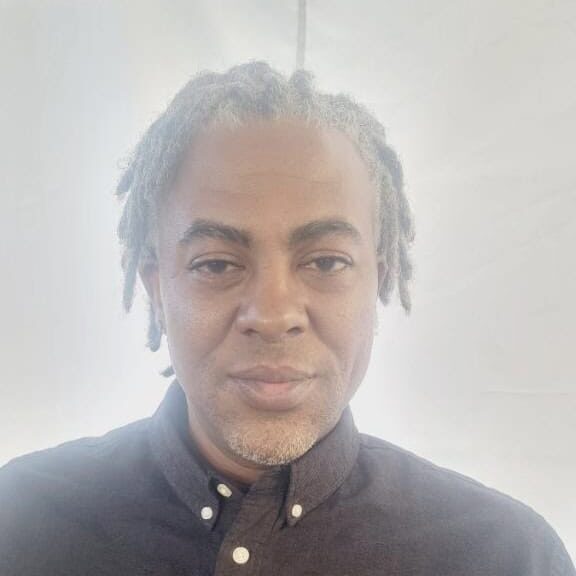
Maurice Byrd, (he/him), LMFT
Maurice is a licensed Marriage and Family Therapist working as a harm reductionist for the past 20 years. He is a clinical supervisor, and has collaborated in the development and implementation of community mental health programs for people experiencing chronic mental health disorders, substance use disorders, and experiencing homelessness. During his career, he has worked with adolescents and adults. He has provided mental health services in middle schools, high schools, in private practice settings, in the San Francisco County Jail system, in San Quentin prison, in homeless drop-in centers, at needle exchanges, and on the sidewalk with people experiencing homelessness.
He trains, teaches, supervises, and provides consultation to both clinical and non-clinical staff at several non-profit agencies nationally, primarily in the San Francisco Bay Area and is often invited to speak as a voice for harm reduction therapy. Maurice specializes in teaching the fundamentals of practicing Harm Reduction Psychotherapy. He also enjoys teaching about facilitating groups and led a Harm Reduction Marijuana Group for system exposed young adults that he facilitated for 8 years.
Maurice has been trained in MDMA for PTSD with MAPS and Ketamine assisted therapy. He also provides individual and group KAT therapy in his private practice. He has taught in the MFT program at Holy Names University in Oakland, CA focusing on Substance Use interventions and Community Mental Health. He is a published author, cowriting the chapter Dealing with Drug Use After Prison: Harm Reduction Therapy in the book Decarcerating America.
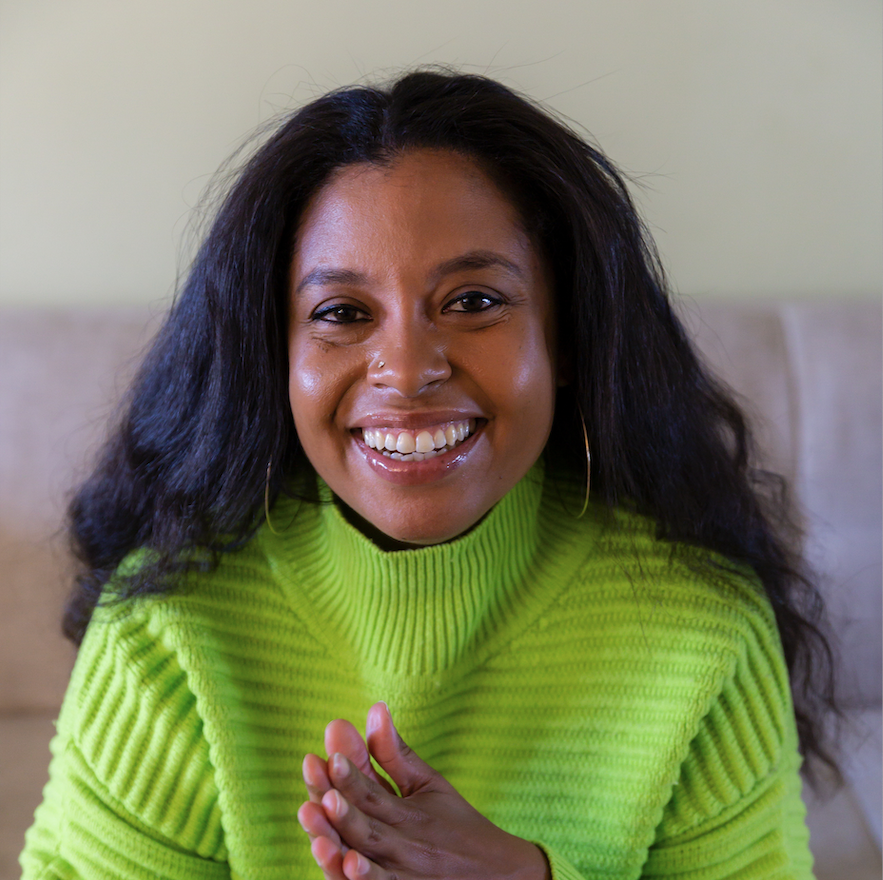
Shirley Johnson, (she/her), LMFT
Shirley is a licensed psychotherapist, energy & sound healer, budding herbalist, aspiring writer and retreat leader. She brings 13 years of teaching yoga and 15 years of studying indigenous healing technologies to her work as a clinician. As the daughter, niece, and granddaughter of public school educators, Shirley began her clinical practice with middle and high school aged students within school settings. From working within schools, she quickly identified the nuances of holding space for students, adults and herself and the ways that there seemed to be little space for emotions within working in school mental health. She brings a range of clinical experience rooted in psychodynamic and relationship theories, multiculturalism, and being a movement practitioner over the last 13 years. Shirley is passionate about supporting adults in the helping profession with releasing codependent behaviors, learning to take care of oneself, and humanizing themselves and each other. To learn more about Shirley’s work you can follow her on IG at @soulisticwellness or visit her website www.soulisticwellness.com
Sue Kuyper, (she/her), LCSW
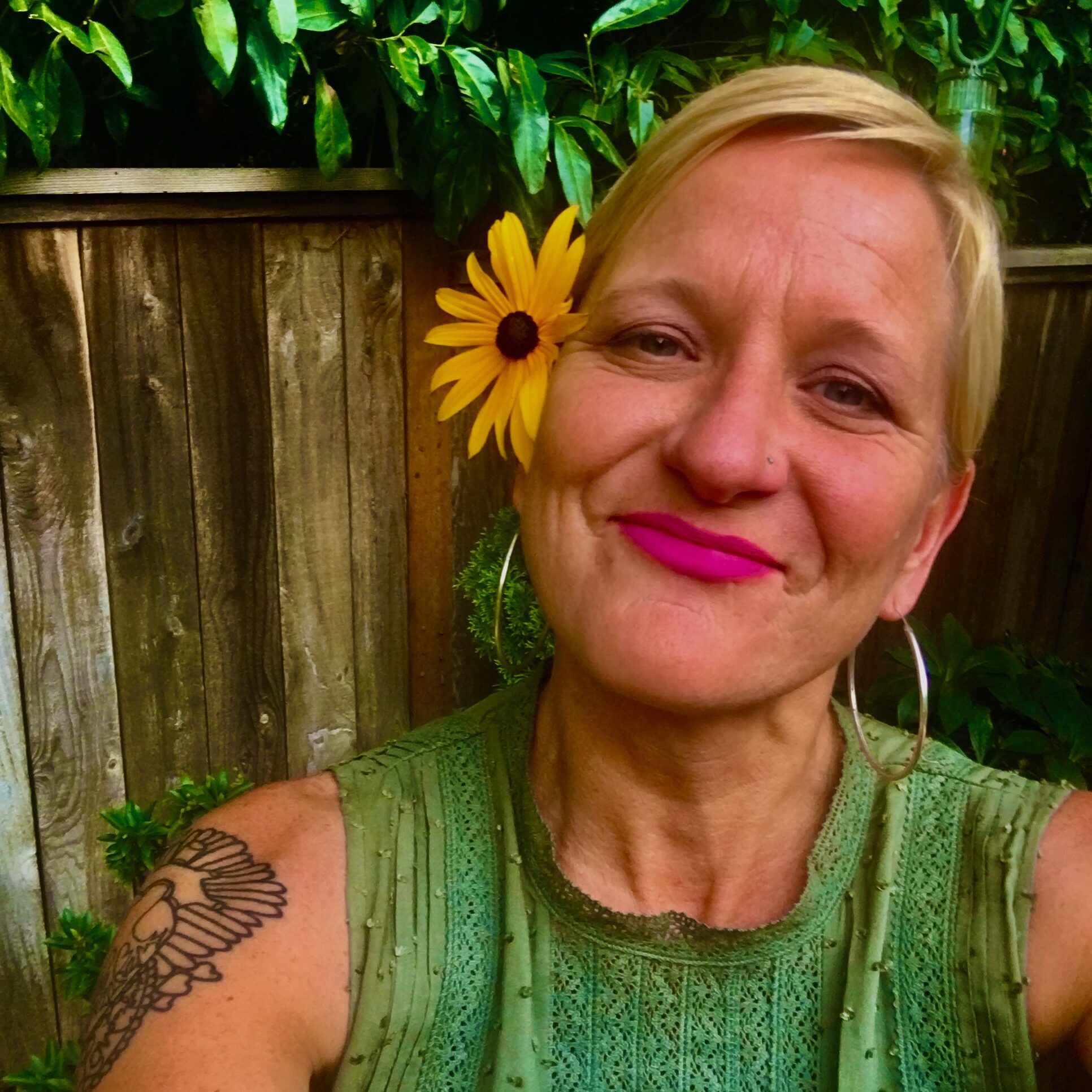
Sue is a 50-something white queer bilingual (Spanish/English) 50-something politicized somatic healer and therapist, licensed clinical social worker and organizational consultant who has been working in crossroads of social movements, community-based organizations and healing for the past 30 years primarily in the Mission District in San Francisco, Oakland and Guatemala. During the years of 2001-2009, Sue worked with rural, urban and indigenous survivors of genocide and political repression in Guatemala. She offers an in-depth multicultural, international and multidisciplinary perspective with expertise in community worker vicarious trauma, transnational families, immigration trauma and transforming embodied whiteness. She is a single mother with co-parents of two multiracial young people who teach her to stay humble and committed to deep change every single day. Sue lives and works on unceded Chochenyo and Muwekma Ohlone homeland also known as Oakland, California.
Testimonials
After attending the training in the Fall of 2023, participants shared what they took value in and planned to implement into their own workplaces:
“I work in a school setting providing mental health support to students and their families. My participation in this program has helped me expand on my knowledge to continue servicing my community. “
“I have lots of clients that have big emotions of anger so everything I learned will better support them.“
“The ways this program have benefited me and my organization are innumerable. I have been practicing regulating my responses to things happening and how I process the emotions I get from those things happening. I am beyond blessed to be able to share this space.“
“My participation in the SCRR program may benefit the broader school community because I will have a better understanding of mindfulness and being aware of my own social and emotional health.“
