Self-Attuning: Tending to Emotional Activation
Healing our Own Wounds while Providing Healing Care for Others
Orientation Session: September 21, 2023 • 2:00 p.m. – 4:00 p.m. PT/ 4:00 p.m. – 6:00 p.m. CT/ 5:00 p.m. – 7:00 p.m. ET
All Other Sessions: September 28, October 5, 12, 19 and 26, 2023 • 3:00 p.m. – 4:00 p.m. PT/ 5:00 p.m. – 6:00 p.m. CT/ 6:00 p.m. – 7:00 p.m. ET
view your time zone
Online via Zoom
This event has passed and registration is closed.
- How might we might use our lived experience to positively inform the ways we lead through and amidst crisis?
- How might we increase self-awareness and inquiry into the therapeutic dynamics and situations that activate us?
- How might we be able to support our own emotional needs and healing to better support the therapeutic needs of our colleagues and the young people we serve?
What is this?
Join us in a six-session Community of Practice for service providers (based in schools or community) who want to engage in reflective inquiry around how the experiences we’ve lived through impacts and informs our ability to provide responsive mental health services for others.
When is this?
- Orientation Session: September 21st, 2023
- 2:00 p.m. – 4:00 p.m. PT/ 4:00 p.m. – 6:00 p.m. CT/ 5:00 p.m. – 7:00 p.m. ET
- All Other Sessions: September 28th, October 5th, 12th, 19th, 26th
- 3:00 p.m. – 4:00 p.m. PT/ 5:00 p.m. – 6:00 p.m. CT/ 6:00 p.m. – 7:00 p.m. ET
Why is this necessary for crisis work?
Our ability to provide trauma-informed care and establish healthy therapeutic relationships are greatly predicated on where we are at in our own healing journey.
Without the space, support and tools to move beyond the harms of our own lived experience, it is quite possible that we lead with our own emotional interests rather than that of the greater good. Without acknowledging, reframing and healing our own hurts, as service providers, we run the risk of internalizing the behaviors and needs of others, miss important signs, operate from a compromised parasympathetic nervous system or find ourselves stuck in a self-defeating stress response such as fight, flight, freeze, fawn or countertransference.
These heavy and pivotal knowings require a brave space to examine, unpack and explore.
And! Grounded attunement to the wellness of our colleagues, communities and the people we serve as they recover and renew after a crisis requires our own ability to care for ourselves. It is difficult to provide support and guidance after times of crisis if we don’t have the space to notice and inquire into the ways our personal unhealed trauma surfaces when witnessing and providing care for the healing of others.
How might it feel?
With SCRR and a roster of expert guest clinical supervisors, explore the ways in which we might alchemize harmful accounts into emotionally corrective experiences for ourselves and our communities, promote our relational interdependence and cultivate the conditions within our school communities that allows us to be both human AND boundaried.
Session Topics
- September 21: Attuning to our Emotional Landscape
- September 28: Anger and Fear
- October 5: Connection and Belonging
- October 12: Love and Safety
- October 19: Grief and Loss
- October 26: Integration and Closing
Learning Goals for the Community of Practice
- Create a brave, generative, and regulating space for educators to explore the interconnection between lived experience and their current ability to uphold trauma informed engagement.
- Engage in community valued, trauma informed regulation strategies that positively impact the process of recovery and renewal.
- Imagine new ways of incorporating recovery and renewal activities into therapeutic intervention, classrooms and curriculum, peer and student interactions, meeting structures and personal lives.
- Identify individual and collective protective factors, community assets and stressors, significant loss, trauma and opportunities for growth
Intended Audience
- Specifically for: school mental health and/or community based mental health providers
- Open to: Anyone who tends to the wellbeing of young people in school settings (educators, school leaders, case managers, mentors, therapists, restorative justice coordinators, retention coordinators, advisors, deans, school leaders, educators, community service providers, guidance counselors, social workers,etc.)
Lead Faculty

Oriana Ides (she/her), MA, LPCCI, PPS
SCRR Field Coach
Oriana Ides is the School Mental Health Training Specialist at CARS, who approaches healing the wounds of trauma and oppression as core elements of social justice. She has worked with young people across life course from elementary school to college, and has served as teacher-leader, school counselor, classroom educator and program director. She is committed to generating equity within school structures and policies by focusing on evidence-based mental health techniques and institutional design. Her work to forge a more just world is motivated by and dedicated to Amilca Ysabel Mouton Fuentes.
Guest Faculty
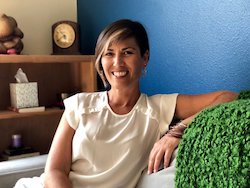
Dania March (she/her/hers), MPH, PPSC, LCSW
Dania March (she/her/hers) a licensed clinical social worker with a master’s degree in public health/health behavior & health education. She has been working in community health services for over 20 years. Dania has served as health educator; behavioral health services provider and director; school-based health center coordinator; and curriculum creator and facilitator. Currently, she has a private psychotherapy practice in which she offers individual and family psychotherapy and coaching; workshops; and clinical supervision for behavioral health providers in schools and youth-serving non-profits.
Dania has provided trainings and consultation both locally and nationally for hundreds of youth, adults, service providers, and organizations around topics such as trauma informed systems; organizational transformation; harm reduction; and safety and inclusion with LGBTQ+ youth and adults. She is a trauma informed systems consultant with East Bay Agency for Children’s Trauma Transformed and was the lead trainer for the Alameda County Queer and Trans* Network.
Her approach is rooted in equity and justice, anti-oppression, harm reduction, and trauma-informed philosophies. As a therapist and former social worker, she supports individuals and organizations in uncovering their foundations to stay rooted and flexible while building programs, policies, and strategies towards greater resilience and thriving.
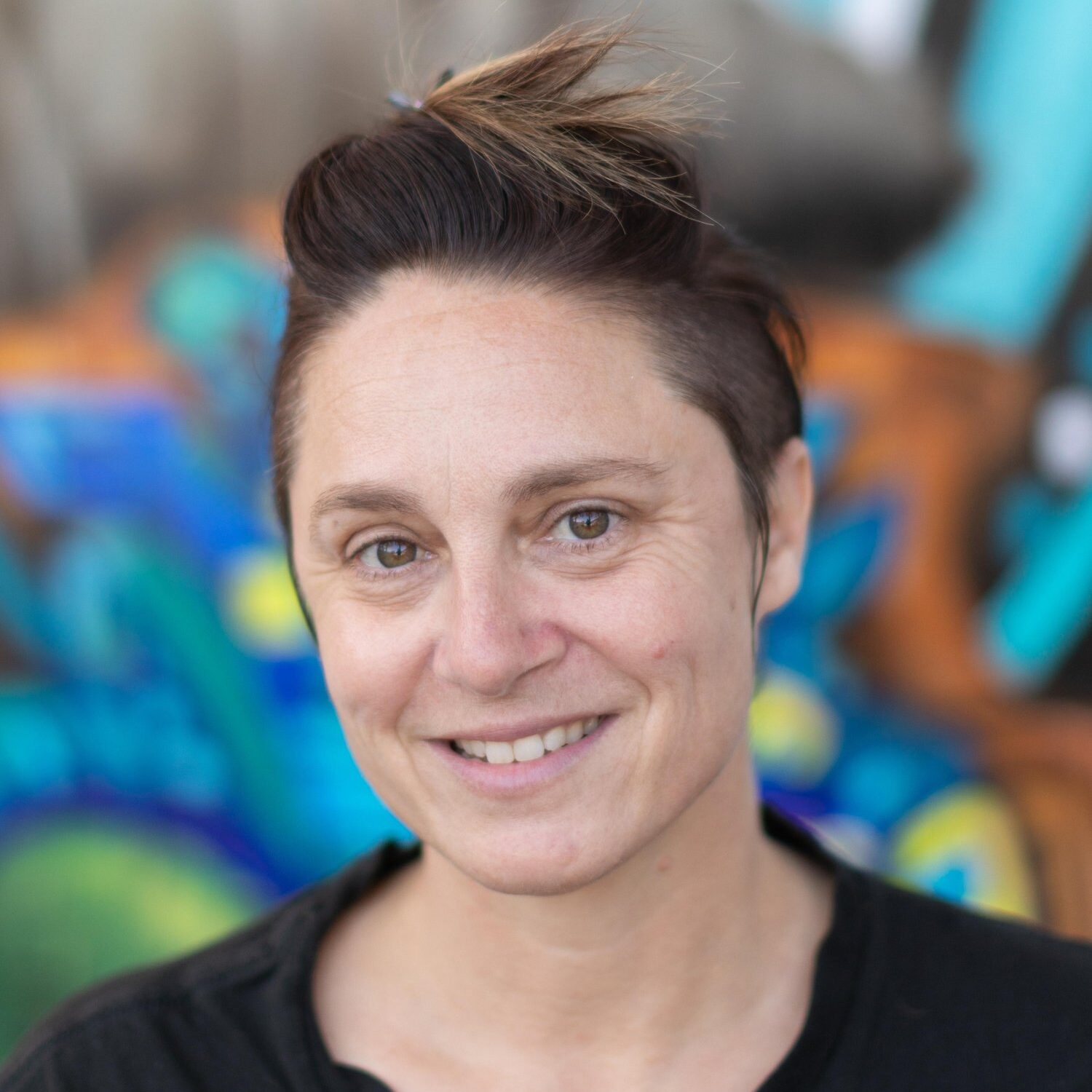
Jen Leland (she/hers), MFT
SCRR Field Director
Jen has extensive background in community mental health and education programs, including leading trauma-informed special education and residential treatment and youth justice programs and directing multiple non-profit and county public health programs.
In 2015, Jen had great honor to become founding Director of Trauma Transformed Center. Having her own lived experiences in systems and more than 15 years in the public health field, she is humbled and driven by the vision that school communities can recover from crisis, structural and collective trauma in ways that lead to even more healing, loving, and just school communities for all students.
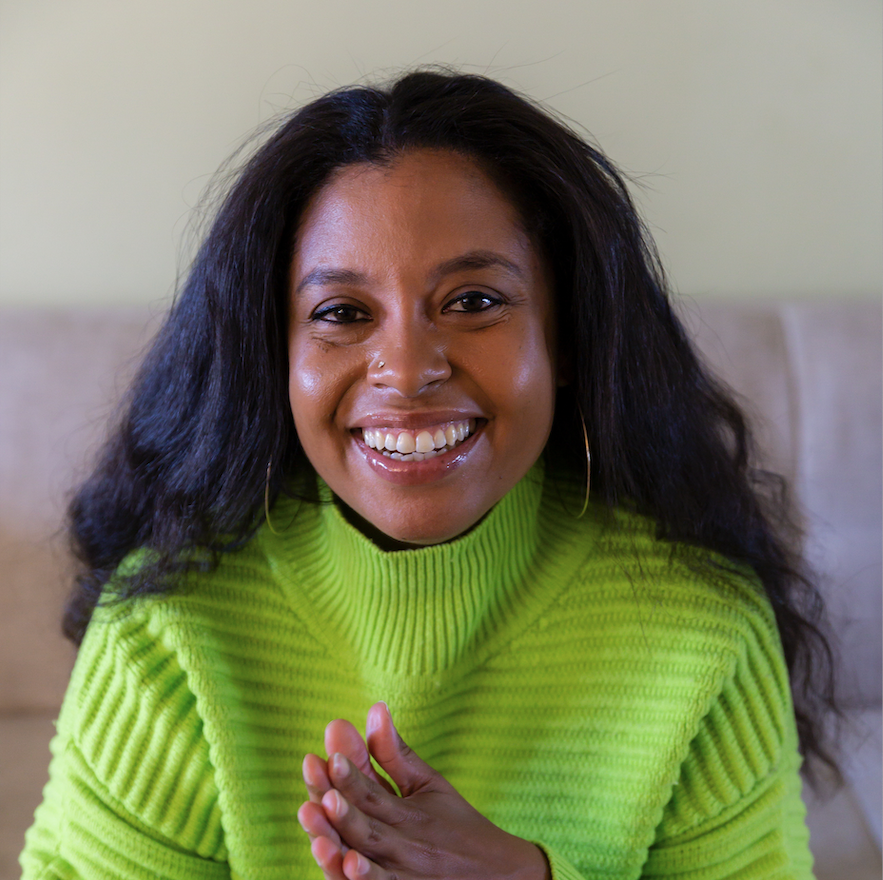
Shirley Johnson, LMFT
Shirley Johnson is a licensed psychotherapist, energy & sound healer, budding herbalist, aspiring writer and retreat leader. She brings 13 years of teaching yoga and 15 years of studying indigenous healing technologies to her work as a clinician. As the daughter, niece, and granddaughter of public school educators, Shirley began her clinical practice with middle and high school aged students within school settings. From working within schools, she quickly identified the nuances of holding space for students, adults and herself and the ways that there seemed to be little space for emotions within working in school mental health. She brings a range of clinical experience rooted in psychodynamic and relationship theories, multiculturalism, and being a movement practitioner over the last 13 years. Shirley is passionate about supporting adults in the helping profession with releasing codependent behaviors, learning to take care of oneself, and humanizing themselves and each other. To learn more about Shirley’s work you can follow her on IG at @soulisticwellness or visit her website at www.soulisticwellness.com
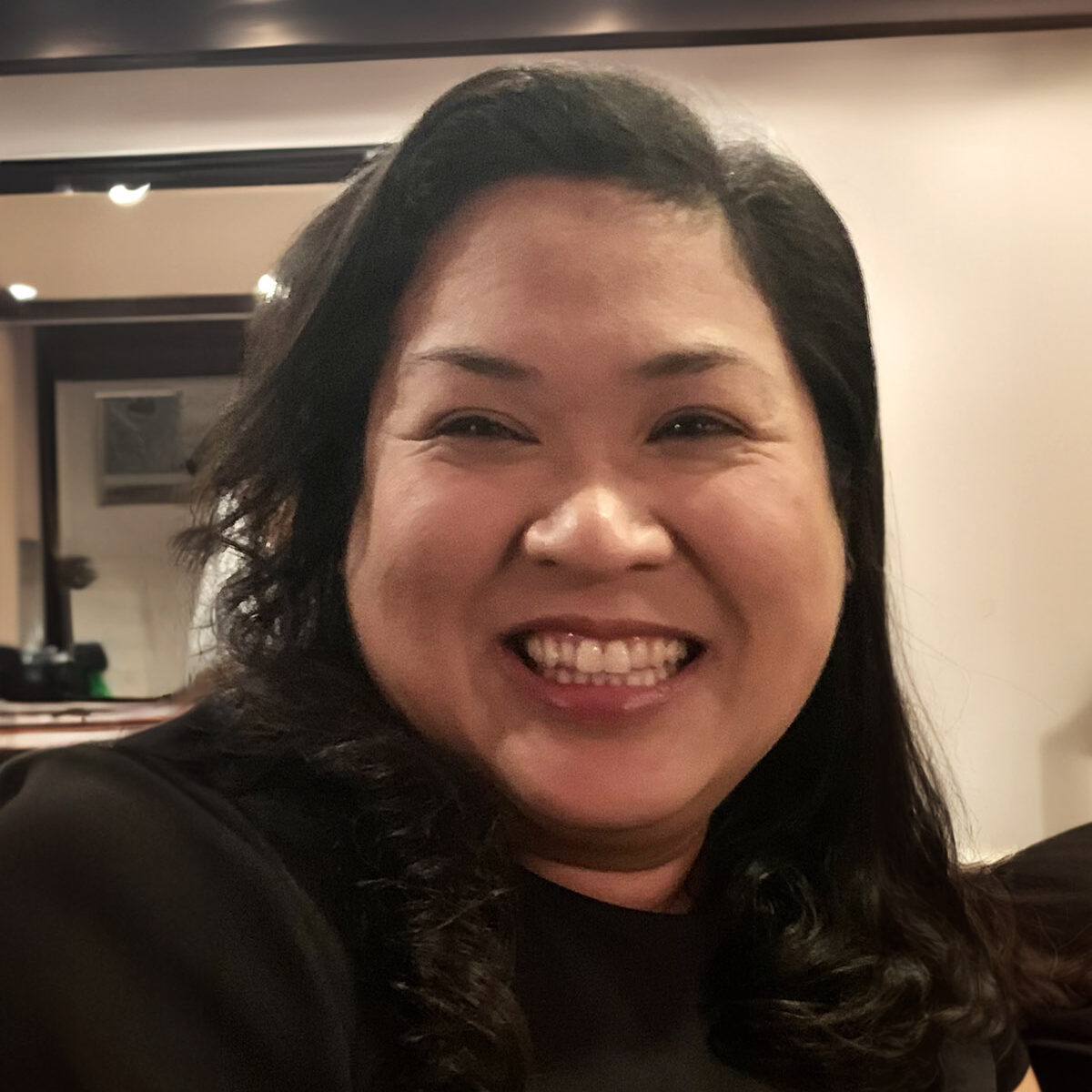
Tina Rocha (she/hers), MSW, PPSC, PASC
Tina Rocha has been committed to serving youth and families as a leader in crisis response and mental health programs. Mrs. Rocha has an extensive background in providing countywide school-based crisis response services, training and consultation. Through her work with the Orange County Asian and Pacific Islander Community Alliance, Mrs. Rocha led county-contracted prevention and early intervention mental health services in support of individuals who have often been unserved or underserved. Within her roles with Santa Ana Unified School District and the Orange County Department of Education, Mrs. Rocha supported districts in ensuring the practice of trauma-informed and culturally-responsive mental health services through training and through the development of policies and procedures enhancing suicide prevention, intervention and postvention. She is a committed collaborator–always working to expand support to all along the spectrum of mental health care alongside partners in schools, community, hospitals, and county entities. She is a lifelong learner, a proud Social Worker, and considers it an honor to have a seat at the CARS table as a Technical Assistance Specialist.
Frequently Asked Questions
- Is this program eligible for Continuing Education Hours (CEH)? Yes. 3 Continuing Education Hours will be available for participation in all 6 sessions, and are offered for LCSW, MFT, LPCC, LEP, CCAPP & RN licenses.
- Will this offering be recorded? No
- Do I need to attend all four main sessions? Yes, and especially if you want to receive CEHs, but, it is not required.
- Who can I contact if I have additional questions? Email us at scrr [at] cars-rp.org with “Self-Attuning” in the subject line.
Resources on Attunement (priming for participants)
From the Field Regarding Self-Attunement
- RAIN, the Practice of Radical Compassion (Brach, 2020)
- The Power Of Attunement And Why It Is Important In Your Life [2022] | Diversity for Social Impact
- The Art of Attunement (Turning Point Therapy)
- What is Attunement? – Momentous Institute
- Why Is It Important to Be Emotionally Attuned to Yourself? – Creative Minds Psychotherapy
- Waking the Tiger: Healing Trauma (Levine, 1997)
- Set Boundaries, Find Peace: A Guide to Reclaiming Yourself (Tawwab, 2021)
- https://beam.community/wellness-tools/
- Relationship, Responsibility, and Regulation: Trauma-Invested Practices for Fostering Resilient Learners (Souers & Hall, 2018)
- Peace from Anxiety: Get Grounded, Build Resilience, and Stay Connected Amidst the Chaos (Khouri, 2018)
Testimonials
After attending the training in the Spring of 2023, participants shared what they took value in and planned to implement into their own workplaces:
- “ [It] benefitted me personally on my life journey and assisted me in answering questions I started asking years ago. These seeds shared with me will grow flowers for others.”
- “Becoming more self aware and self regulating is not only good for me, but also my daily surroundings and people.”
- “Honestly, I feel that simply in being able to pause and slow down for myself, which I have not really done lately, that benefits me and my clients.”
