What Helped & What Harmed? How to Hold Student & Alumni Listening Sessions
A Collective Recovery & Renewal Practice
February 1, 2024 • 1:00 p.m. – 3:00 p.m. PT/ 3:00 p.m. – 5:00 p.m. CT/ 4:00 p.m. – 6:00 p.m. ET
view your time zone
This event has passed.
Student voice is a foundational and often missing element in school crisis recovery & renewal work. As school leaders, it is imperative to listen and learn from and with young people to gain a deeper understanding of how adults and systems can create the cultures and conditions that center recovery & renewal.
The work doesn’t just stop at the response: Holding listening sessions with students who experienced crisis or harm years after, or tapping into the wisdom of your alumni is a great way to hold a brave space to identify what is working and conversely what is not.
Join SCRR and Youth Move National for a two hour interactive workshop on February 1st, 2024!
We’re pleased to offer the same workshop twice. If you already attended in Fall 2023 we welcome you to return in February to deepen your skills.
Together, we explore how to hold your own listening sessions with your students and/or alumni to tap into the reflective wisdom of community members years after a crisis to glean insight into what could have helped and what may have further harmed so that we can be voice and data driven to inform our current crisis readiness and response work.
Curious about what these listening sessions could look like? Check out a write up of the listening sessions Youth MOVE held with SCRR in 2021: What Helps & What Harms Students’ Crises Recovery? Young Adult Reflective Listening Sessions
What you might get?
- Understanding of the What Helps, What Harms Framework:
- Gain a comprehensive understanding of the What Helps, What Harms framework and its significance in creating a brave space for young adults to share their experiences.
- Develop insights into how the framework can contribute to building a more inclusive and supportive environment for youth crisis recovery & renewal
- Gain & Build Best Practices for Holding Listening Sessions for Youth
- Develop an understanding of Youth MOVE’s best practices and lessons learned in conducting effective, trauma-informed Listening Sessions with young adults. Develop skills to facilitate meaningful and productive Listening Sessions in crisis recovery and youth engagement contexts.
- Specifics: Understand the methods and techniques used by Youth MOVE National in their Listening Sessions.
- Experience & Apply the Framework in a Mock Listening Session
- Apply the acquired knowledge in a shortened mock What Helps, What Harms Listening Session.
- Engage in the role-play exercise, demonstrating an understanding of the framework and best practices.
- Develop practical experience in conducting Listening Sessions, building confidence for hosting your own Listening Sessions in the future.
Intended Audience
High school educators and school personnel, higher education student support staff (or anyone interested!)
Frequently Asked Questions
- Will closed captions be provided? Zoom generates automated captions and a transcript that participants can enable during the training.
- Will this offering be recorded? No.
- Is this offering eligible for Continuing Education (CEs)? Yes, two (2) CE Contact Hours will be be offered for LCSW, MFT, LPCC, LEP, CCAPP & RN licenses. Participation will be monitored, you must be present for the entire duration to be eligible for credit. A link will be shared at the conclusion of the training to access.
- Who can I contact if I have additional questions? Email us at scrr [at] cars-rp.org with “What Helped & What Harmed? Workshop” in the subject line.
Testimonials
After attending the training in the of 2023, participants shared what they took value in and planned to implement the What Helps, What Harms Framework in their workplaces:
“Youth should have power and I will never forget that with leading meetings about a youth!“
“The Listening Sessions and Framework will benefit K-12 schools in giving voice to students and creating an opportunity for peer connection (being seen, heard, and not feeling alone)…hopefully, the experience will develop a sense of belonging and trust with educators and mental health providers…and our youth will begin to engage and participate in mental health and wellness interventions. “
“I go out to the schools in my community and discuss domestic violence/sexual harassment/relationship skills – I can see using MANY things I learned in various conversations I have with youth.“
Faculty

Joshua Calarino (he/him)
Youth Program Coordinator
Joshua’s journey began with Youth MOVE Miami. He had gone the first time to simply attend a Salsa dance class. It was through the arts that Joshua became connected with himself and his peers. From there he slowly got out of his shell and learned about the Youth Movement. It was there that he found his voice and learned to use it. He slowly became a leader who used his lived experience to advocate for local, even state, policy surrounding systems of care. It was through his passion and dedication that he became a national leader speaking at conferences and affecting change all over the country. His hope is that youth can become leaders just like he has become. To give to others what Youth MOVE gave to him. A voice and a message to spread. On his off time Joshua loves to travel and eat new foods!
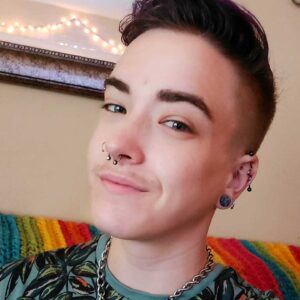
Shayn McDonald (they/them)
Youth Program Specialist
Shayn’s passion for youth advocacy and social change is rooted in their many lived experiences and involvement in systems throughout their lifetime. As a queer young adult and trauma survivor, Shayn is particularly invested in education and advocacy around LGBTQ2-S+ communities, and actively seeks to highlight and address the impact of trauma and systemic oppression with the intention of creating greater change. Their involvement in the mental health system in particular motivates them to continue expanding awareness around the diversity of human experiences, and they believe that every person is deserving of community and self-determined support. Prior to joining Youth MOVE National, Shayn worked as the Youth Advocacy Coordinator for the Zia Young Adult Access Center—a Massachusetts-based, youth-led peer support and resource connection center that educated and advocated around youth advocacy and system change. When not working, Shayn enjoys spending time with their cat and watching notoriously bad horror movies. They also love philosophical conversations and contemplating the nature of the universe.
